Now that the summer heat is upon us, I think it is the most important time to talk about water conservation. There are some things Guthrie & I are trying to get into the habit of doing to cut back on our water consumption. We all know to turn off the water when brushing our teeth or when shaving, but there are some other things that we don't always thing about.
When replacing the water for your pet, or getting rid of the last few sips from your cup on your night stand, don't just dump it down the drain. Pour into a houseplant or into a watering can (we have extra's now) to be used to water plants later.
Make sure to always have a full load before starting your dishwasher or laundry. Now with newer washers, you can choose the size of your load; pick the appropriate water level for the load you have. When washing dishes by hand, which we must do now, make sure the water stream is no wider than your thumb (and if you have big thumbs, judge appropriately). If you are scrubbing, turn off the tap.
Water your yard or garden in the early morning or in the evening. If you water in the hot day-time sun, most of it evaporates before the plants really drink it.
Here are some water facts from the EPA:
- An average family of four uses 400 gallons of water everyday day!
- Less than 1% of all the water on Earth can be used by people (the rest is salt water or frozen)
- Taking a shower uses much less water than filling a bathtub. A typical shower uses 10-25 gallons and a bath uses up to 70 gallons.
Tip: If you take a bath (which I LOVE to do once in a while), plug the drain right away and adjust the temp as you go. When showering, time it -- 5 minutes or less. Or, double up with your loved one to conserve water. :)
Here's a link to
shower timers on Amazon. Guthrie & I use to have one--I don't actually know what happened to it? I think I dropped it and broke it. But, after using it for a while, I got use to how fast 5 minutes goes by!
Car/bike washing tips - try not to use a hose. Most people just let it run. Make sure you have a bucket to and turn off the hose in between sprayings. Better yet, many car washes are recycling water now. Check with your local car wash to see if they do.
A leaky toilet could waste about 200 gallons of water everyday! Here's a cool tip to test if your toilet is leaking (again from the EPA website): Put a drop of food coloring in the toilet tank. If the color shows up in the bowl without flushing, you have a leak!
Finally, he's a tip for conserving water with every flush. If you have a home, hopefully you already have a l
ow-flush toilet. Or better still, a
dual-flush toilet. Something I am interested in, though I do not know enough about it to truly recommend it, are
dual-flush converter kits. They say they work with any toilet. There might be a later post once we research it more. Alright, enough background, here's the tip to save water every time you flush on those old toilets (good for renters):
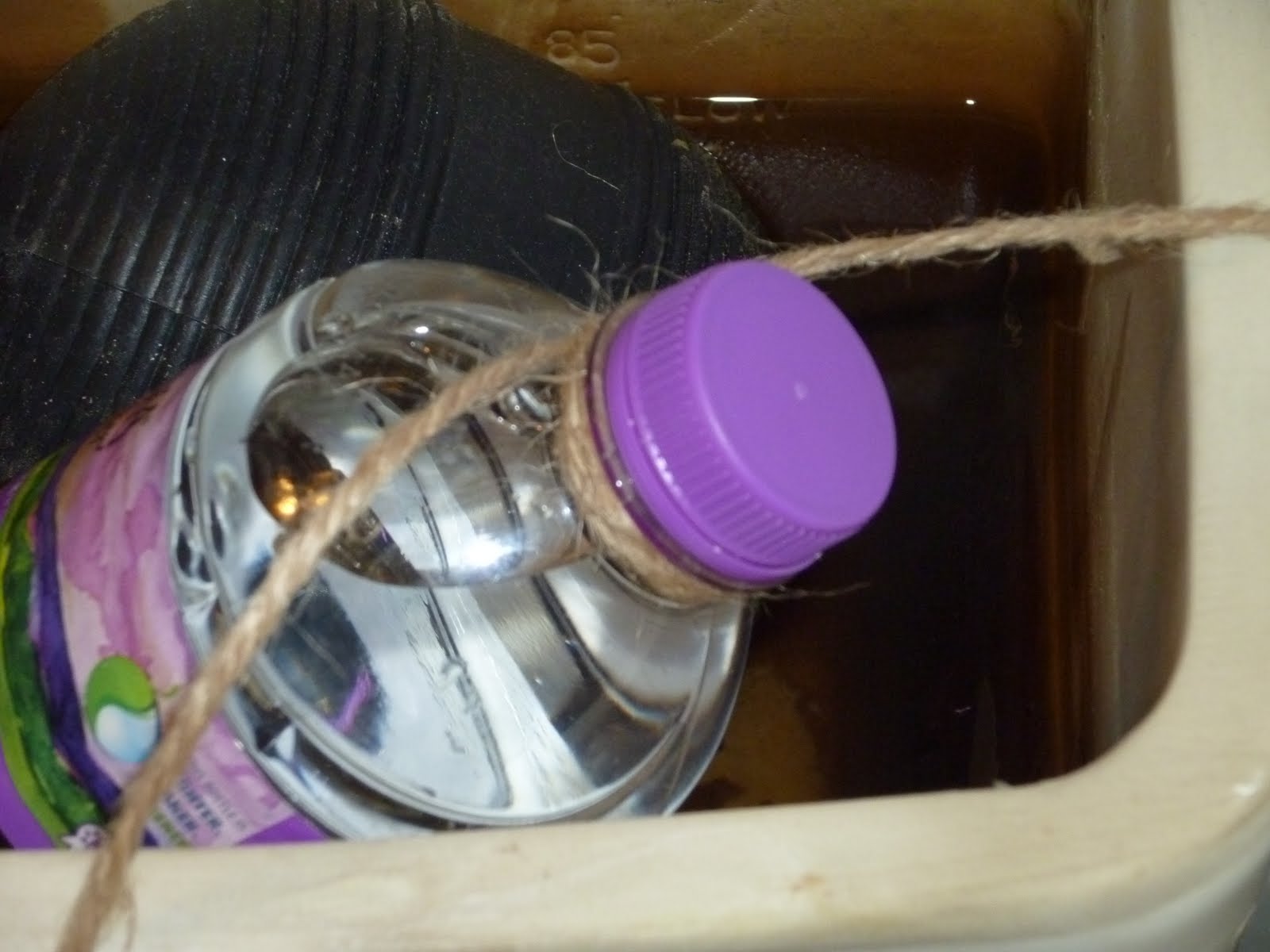
1. Fill an old plastic bottle with water and screw on the cap.
2. Tie a string around the top.
3. Place in toilet tank and tape the string to the the tank at the back or side to hide the string.

The water displacement will lower the amount of water used with each flush. With older toilets, they use too much water as it is. If you find your flushing power is a bit too week, pull the bottle out of the water a bit until you feel you have enough flushing power.
Peace!


 Also, turning down your hot water heater could save you (and more importantly, small children) from terrible burns. The water label on our heater downstairs has time/temperature ratios listed for third degree burns:

 The water displacement will lower the amount of water used with each flush. With older toilets, they use too much water as it is. If you find your flushing power is a bit too week, pull the bottle out of the water a bit until you feel you have enough flushing power.
